Nearly two years after Ilya Beloozerov’s death, why is this story particularly important to tell now?
The passage of time is part of what makes this story so significant. Nearly two years after FBI agents killed Ilya Beloozerov in broad daylight, many of the most basic questions remain unanswered. His family still doesn't know what led agents to him, whether he posed a threat when he was shot, or why the investigation began in the first place. The longer those questions go unanswered, the more this case becomes about something larger than one man's death: whether the public can hold powerful institutions accountable when they use deadly force.
What was the most surprising discovery in your reporting that changed how you understood Ilya’s story?
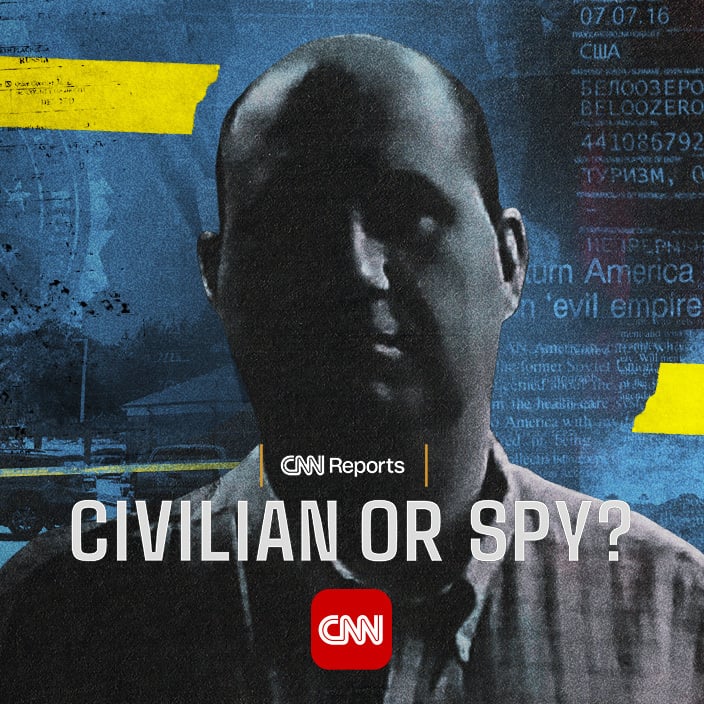
I spent months talking to Ilya Beloozerov’s friends, coworkers, and relatives and almost everyone described the same person: a computer nerd, eccentric, socially awkward, someone who largely kept to himself. Photos I’d seen reinforced that image. He didn’t resemble the spy cliche most of us carry around in our heads. Then, former FBI agent Eric O’Neill, reframed the story for me. “Spies aren’t like James Bond,” he told me. “The best spies are wallflowers.” O’Neill walked me through Beloozerov’s actions and explained how, if he had been working for a foreign power, many of the traits that made him seem unlikely to be a spy could actually make him effective. It was a moment that forced me to rethink my reporting. And when we learned more about what Beloozerov had been doing, many of O’Neil’s insights turned out to be remarkably prescient.
Civilian or Spy? unfolds across a documentary, podcast and written investigation. What can audiences expect to discover from each format, and how do they complement one another?
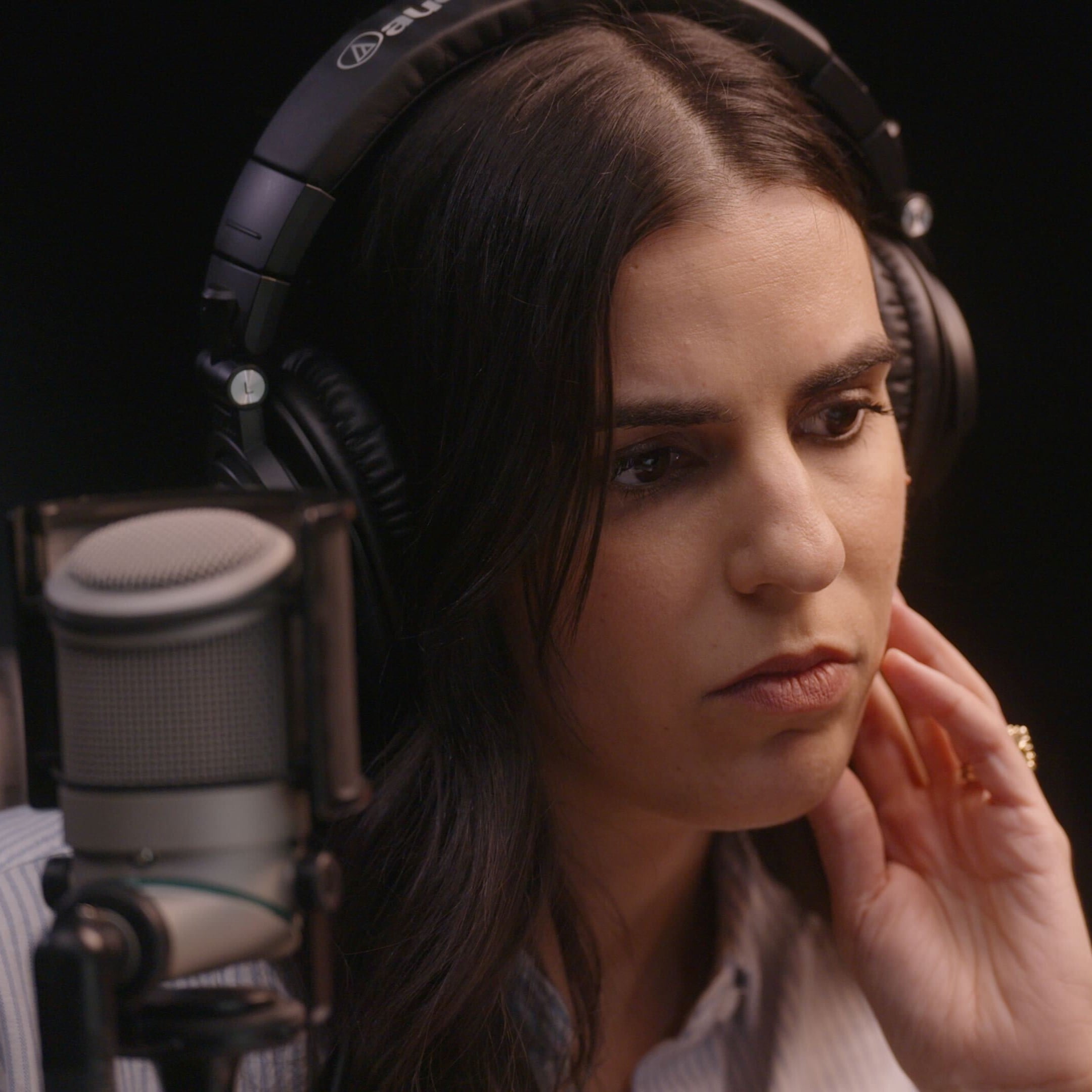
People consume stories in different ways. This material was so rich we wanted to deliver it to audiences wherever they might be. The text story is a narrative yarn that seeks to draw readers in and provide them the definitive account of what happened. Stunningly visual, the documentary brings Beloozerov’s family and friends to life. With the audio piece, a listener can hear the voices of these people as they lived it, and the format allowed us to explore different theories of the case.
You spent nearly two years immersed in this investigation — what’s one thing about the reporting process that might surprise people?
Finding answers can be a slow process. Breakthrough moments often come from source development, not search engines. You spend hours on the phone, meet people face to face, hear about their fears, frustrations, and motivations. Sometimes it takes months before someone is willing to tell you what they know. That slow process can be frustrating, but it's also where the story comes from. By the time a story is published, readers see the finished product, but they don't see the countless conversations and relentless reporting that made it possible.






Comments
Post a Comment